%20(1).png)
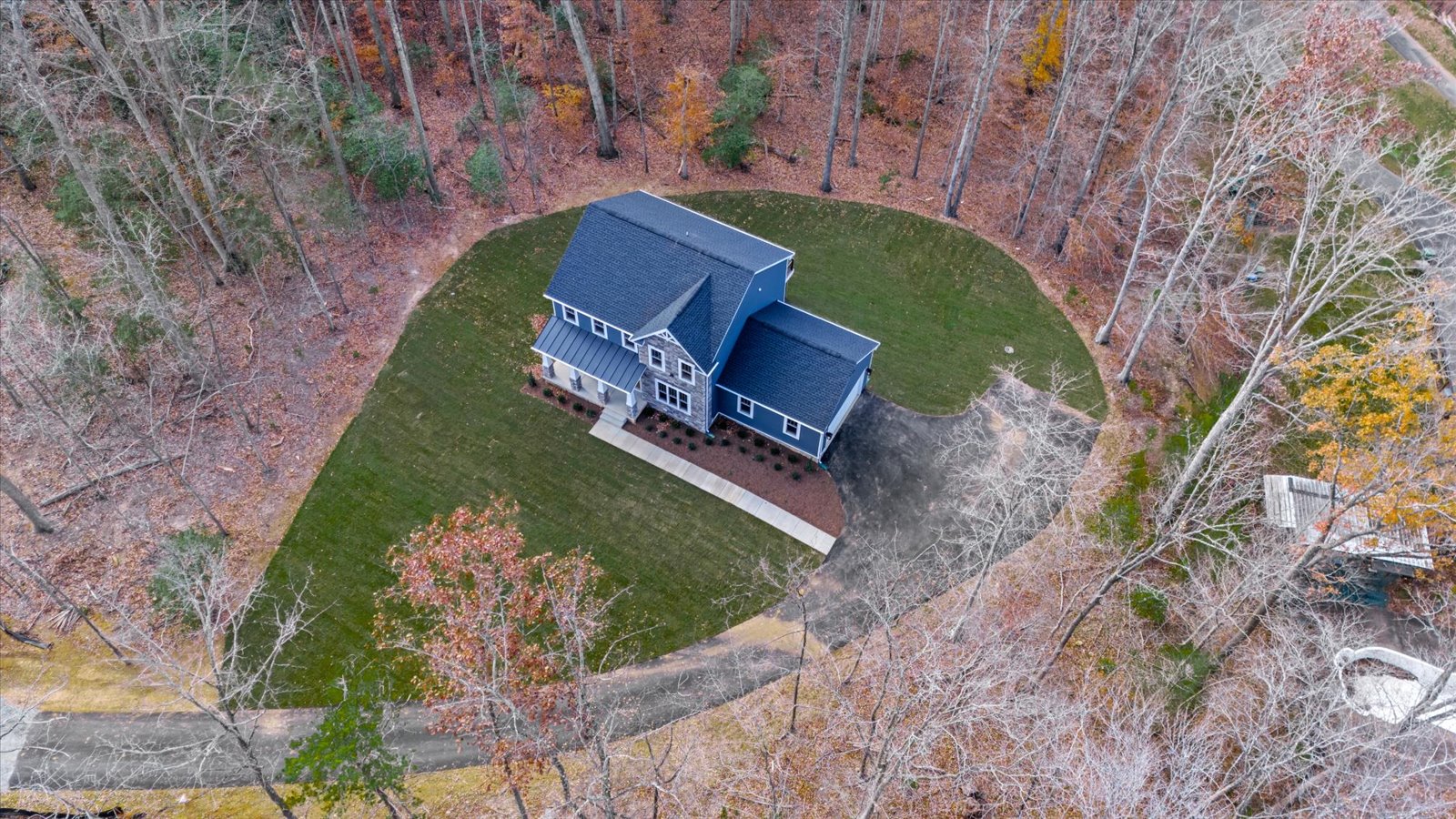
If you have spent any time looking at homes in the Fredericksburg area over the past few years, you already know the landscape. Inventory is thin, competition is real, and the homes that check most of your boxes tend to disappear before you can schedule a showing. That experience is pushing more Virginia families to ask a question they might not have considered a few years ago: is it time to build instead?
It is not the right answer for everyone. But it is a better answer for more people than the conventional wisdom suggests. Here is an honest look at how the two paths compare.
Buying an existing home is faster. If you find the right property, you can be living in it within 30 to 60 days. For families with firm timelines, school district deadlines, or lease expirations, that speed matters. There are also fewer decisions to make. The floor plan exists, the finishes are chosen, and the surprises are largely visible before you close.
Existing homes in established neighborhoods also come with mature landscaping, settled driveways, and neighbors who have been there long enough to tell you what the street is like on a Saturday afternoon.
The most compelling argument for building is one of accumulation: every compromise you accept in an existing home tends to compound over time. The kitchen that is almost right. The primary bedroom that is too close to the kids' rooms. The backyard that faces the wrong direction. You learn to live around these things, but they rarely stop mattering.
A custom home eliminates that accumulation. Every decision, from where natural light enters in the morning to how the mudroom connects to the garage, is made with intention. You are not solving for someone else's priorities.
There is also the financial dimension. When you build, you know what everything costs before you commit. A well-executed pre-construction process means no hidden surprises, no deferred maintenance inherited from a previous owner, and materials and systems that are brand new and under warranty.
Building custom takes longer than buying existing, and it is worth being clear-eyed about that. From the initial design conversation to move-in, most custom home projects run 14 to 24 months depending on complexity, permitting timelines, and site conditions. Families who start planning early, before their current housing situation becomes urgent, almost always have a better experience than those who approach the process with a hard deadline six months out.
If your timeline is flexible, the wait is worthwhile. If your timeline is firm, a conversation early in the process can help you understand whether building is realistic or whether a renovation or addition might be a better near-term path.
For many families in the Fredericksburg area, the right answer is neither buying existing nor starting from scratch. It is improving what they already have. A well-designed addition or whole-home renovation can deliver much of the benefit of a custom build, at a faster timeline and often at a lower total cost, while preserving the neighborhood, the school district, and the home you have already made your own.
At Halsey Homes, we work across all three of these paths. Some of our clients build from the ground up. Others renovate homes they have owned for a decade. We approach each project the same way, with a structured pre-construction process that ensures the final product matches the original vision.
The right path depends on your priorities, your timeline, your budget, and the land or property you are starting from. What it does not depend on is which option sounds more exciting in the abstract. We encourage families to bring their questions early, before they have committed to either direction.
A single conversation can clarify a lot. If you are weighing these options, we would be glad to walk through them with you.
.webp)